
Fernandina Beach
Realty
Everyone LOVES Amelia
Roger Martin — Broker Associate · (904) 206-0444
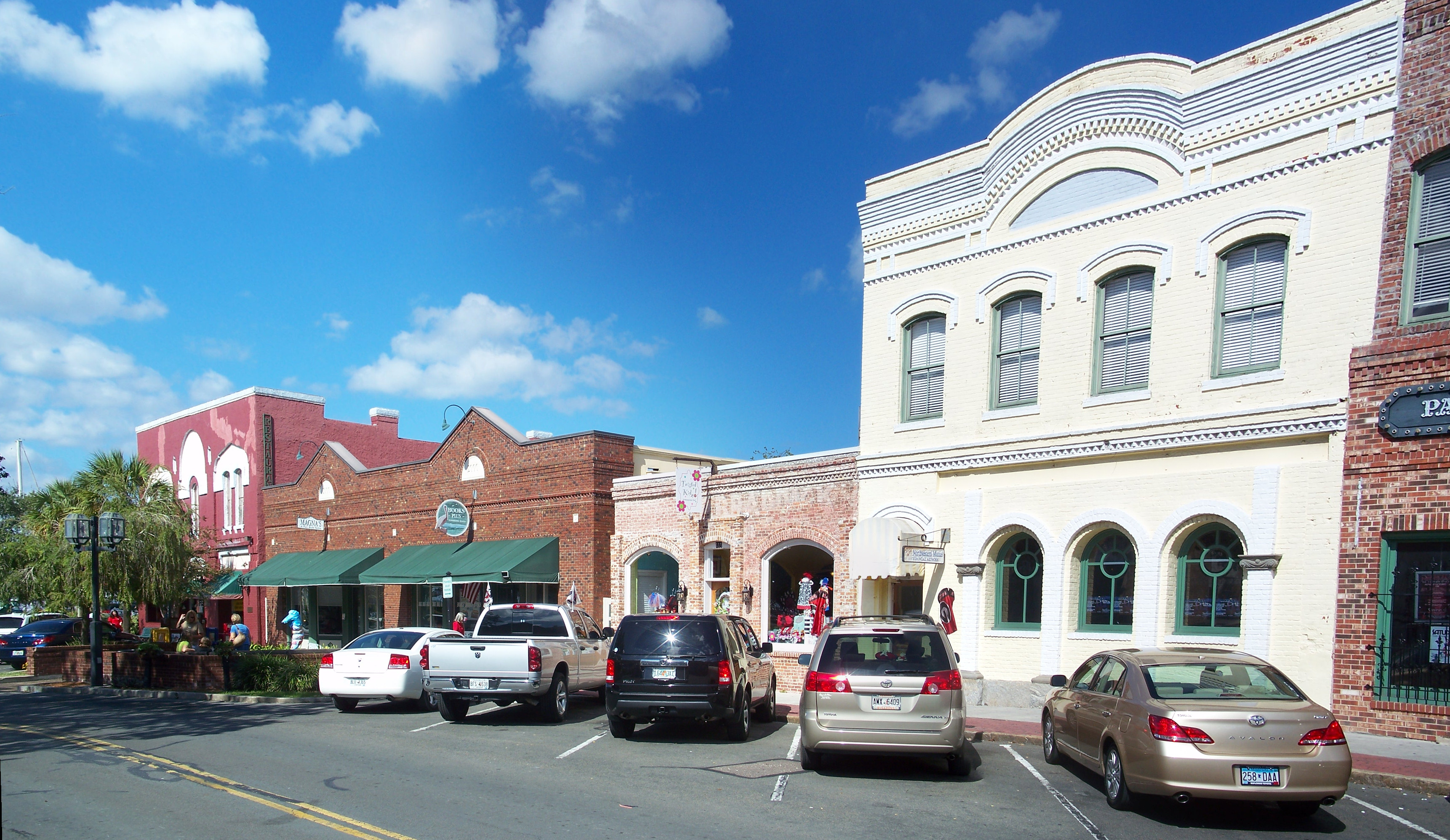
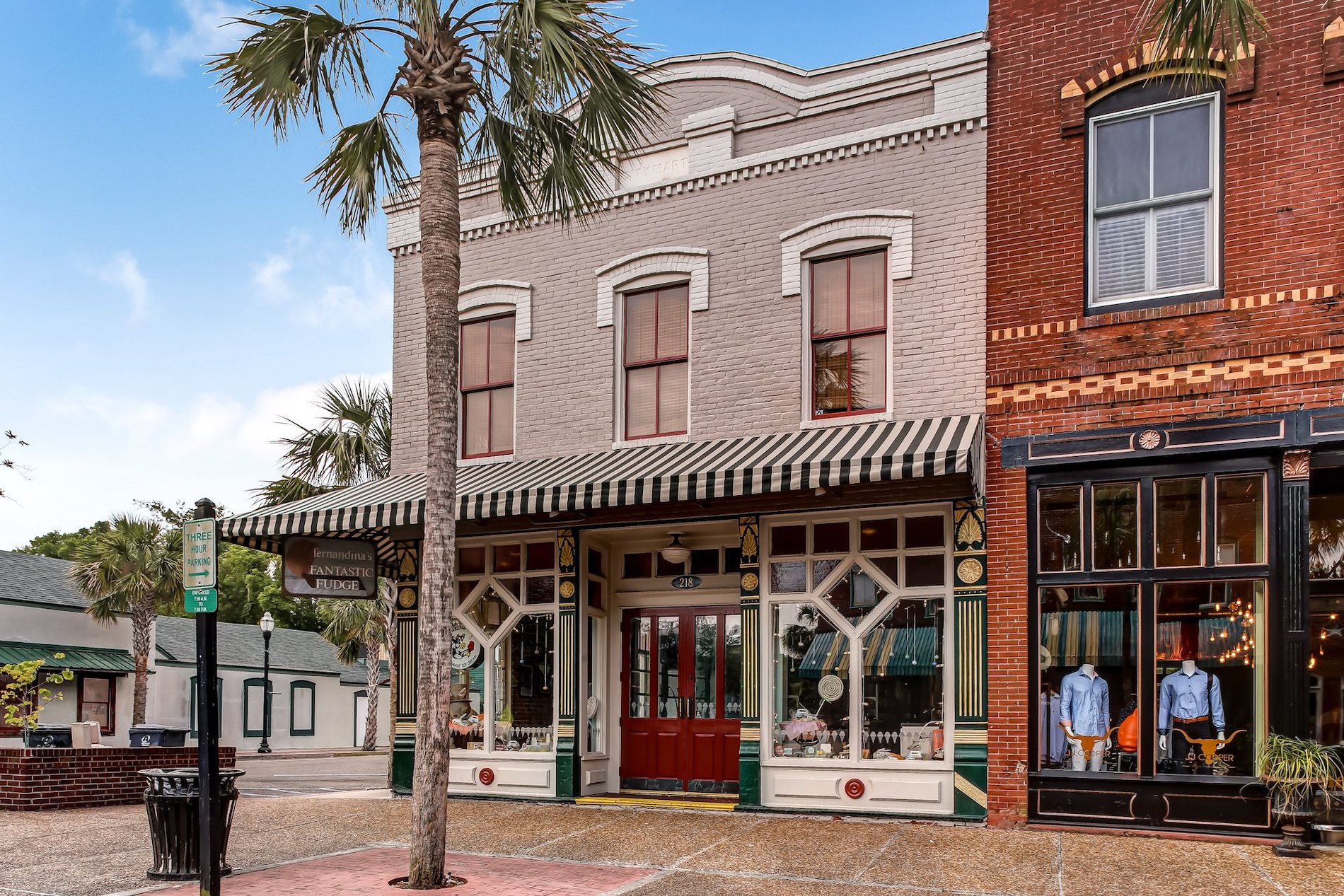
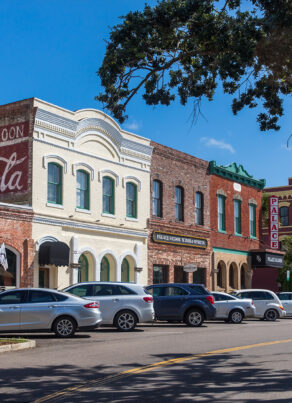
Centre Street is the spine of historic downtown Fernandina Beach — six walkable blocks running from the Amelia River inland through 50 blocks of 19th-century buildings, more than 400 of them. There is no chain retail here. Every storefront is locally owned, every restaurant is independent, and nearly every building has a story dating back to the 1850s railroad era. Florida's oldest saloon, oldest hotel, oldest lighthouse — they're all within a few blocks of each other. Welcome to downtown.
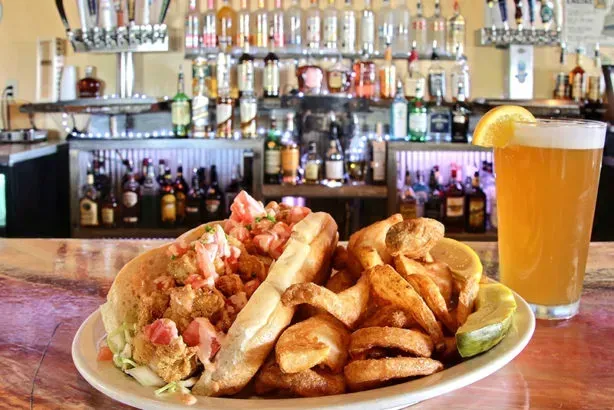
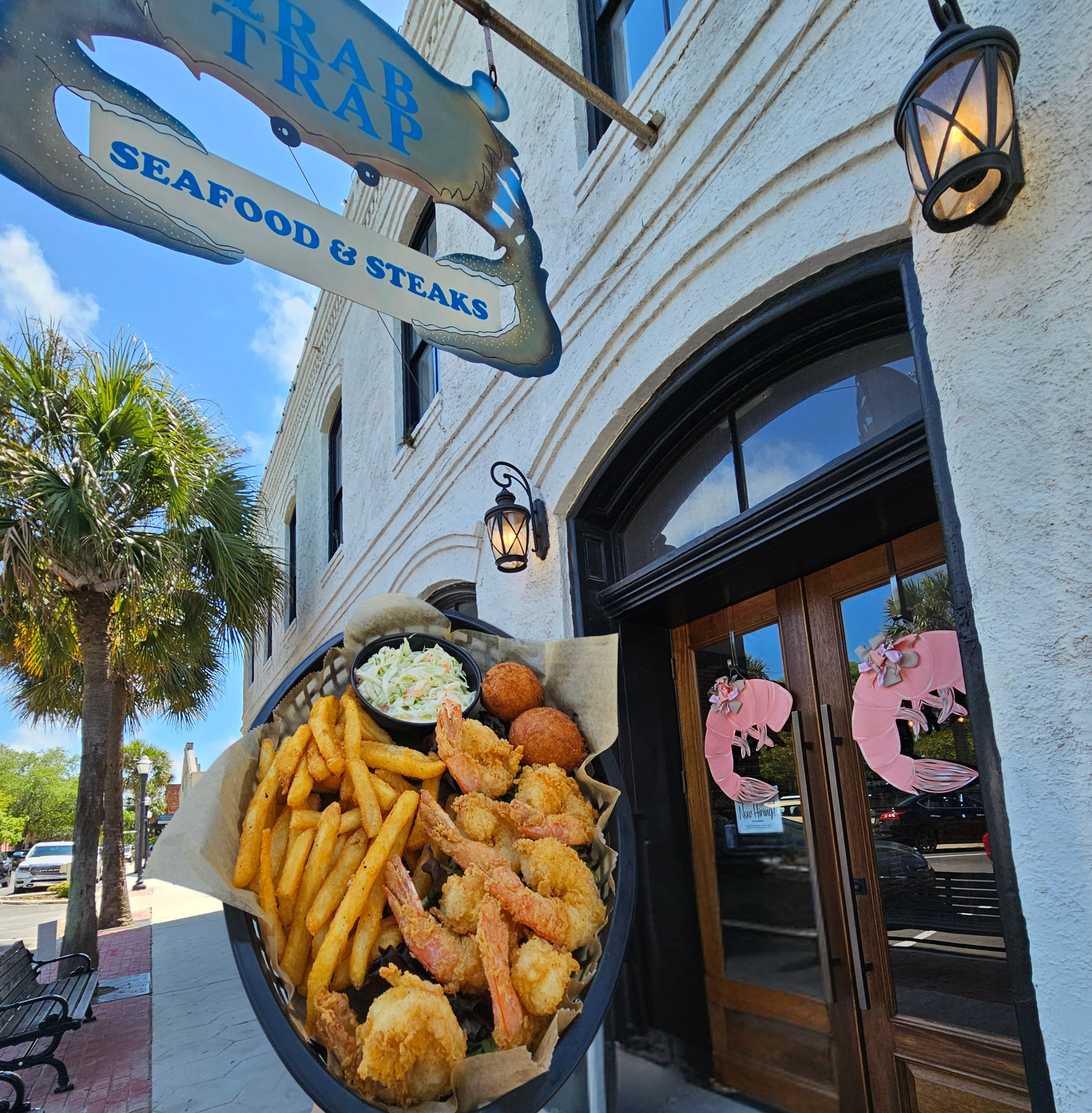
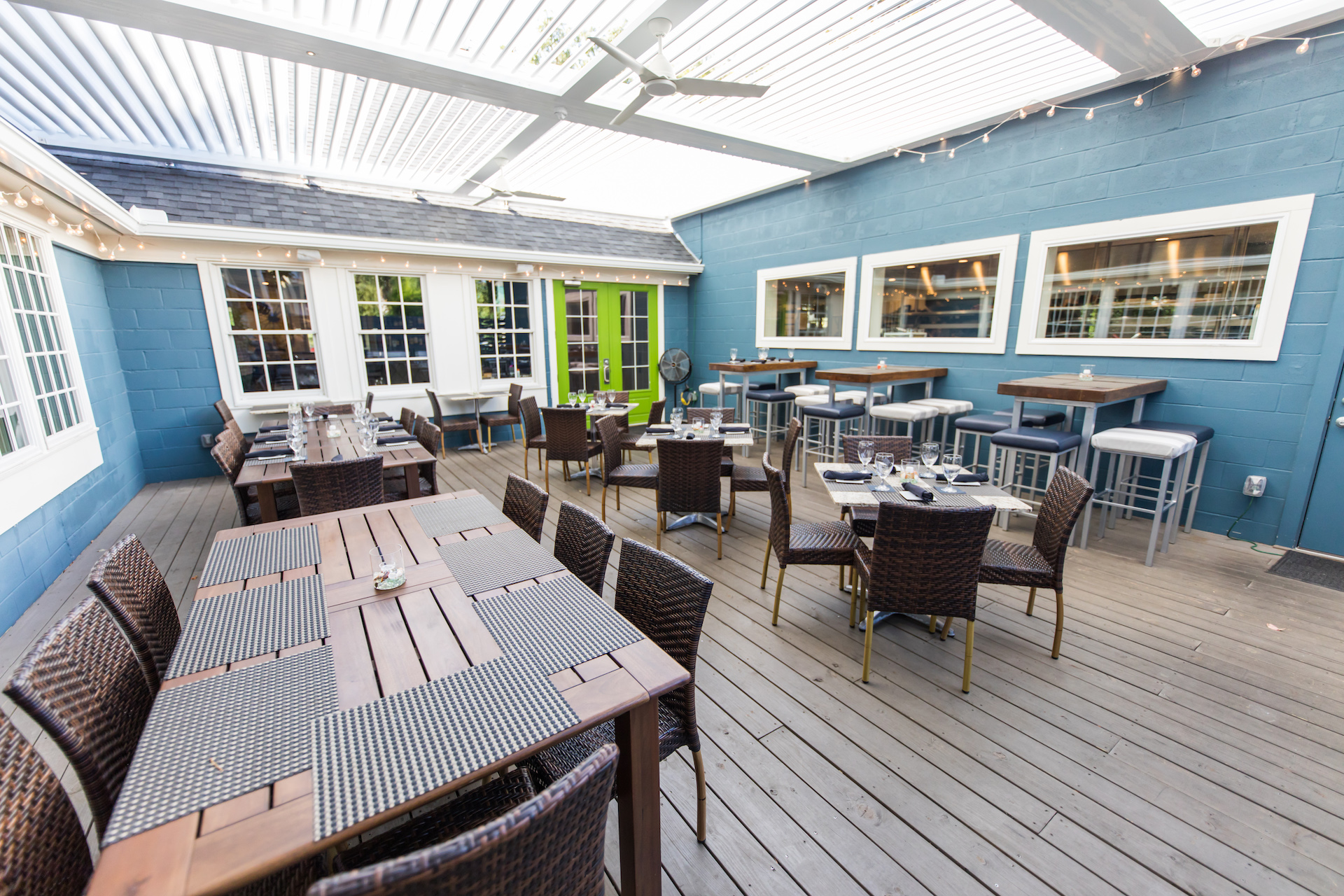
Within a few walkable blocks of Centre Street, you can sit down to fresh-off-the-dock seafood, authentic Italian, elevated Mexican and Tex-Mex, traditional Spanish tapas, Asian street food, classic American grills, a true sports bar, wood-fired pizza, polished chef-driven New American — and a wine bar to finish the night. Every restaurant is independently owned, every menu is its own personality, and the only thing missing is a chain logo.
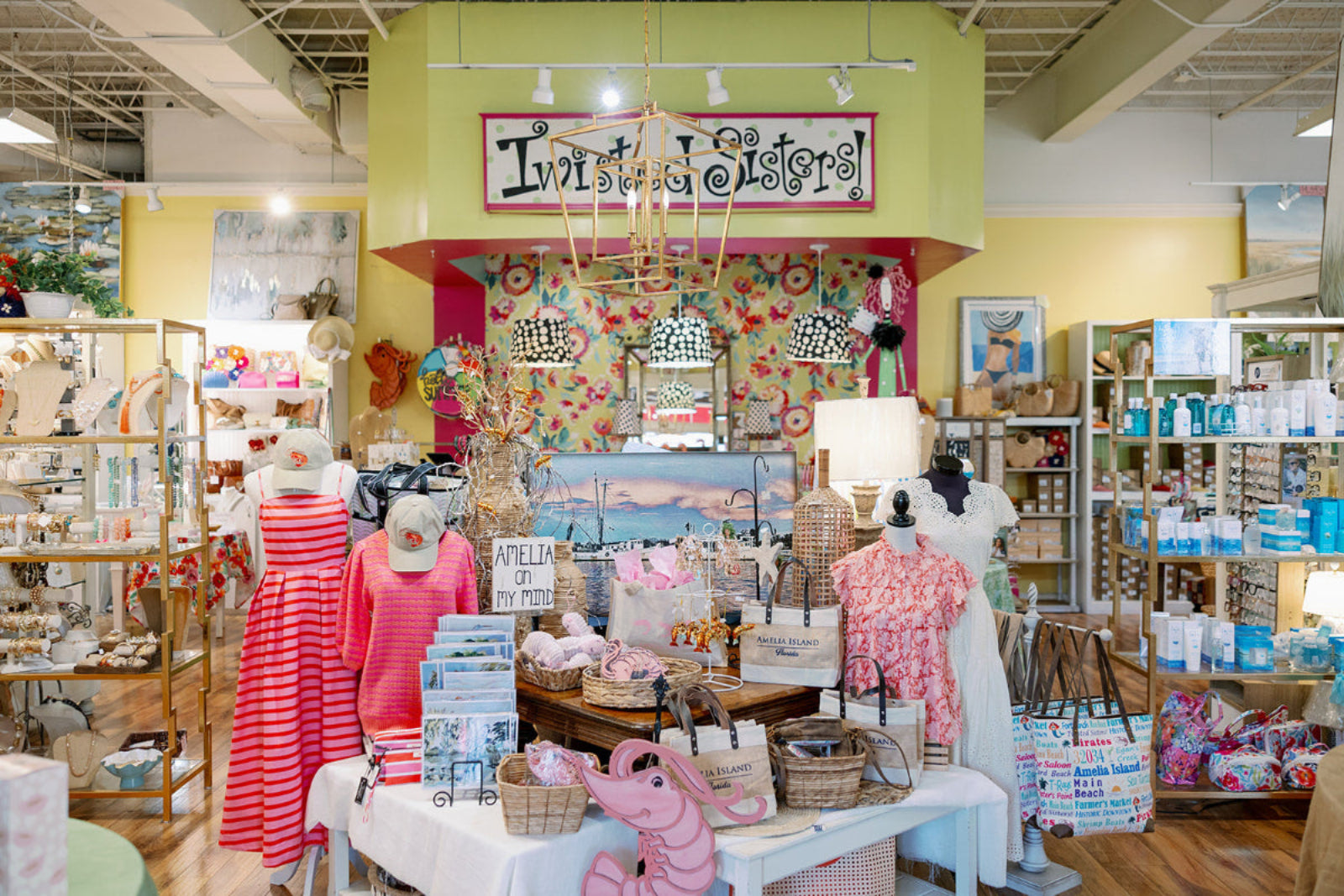
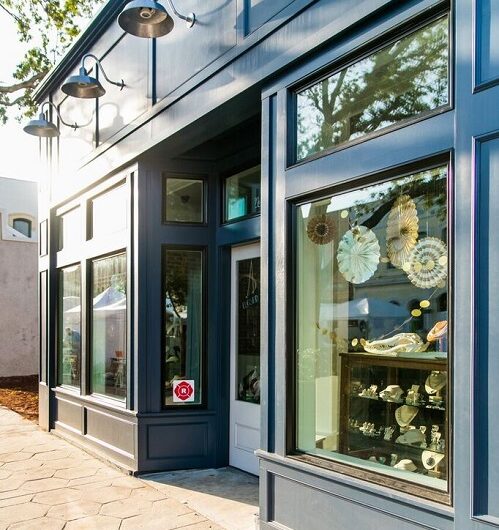
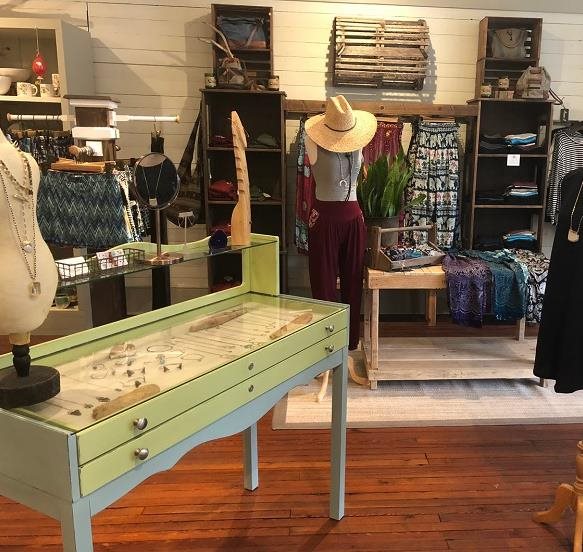
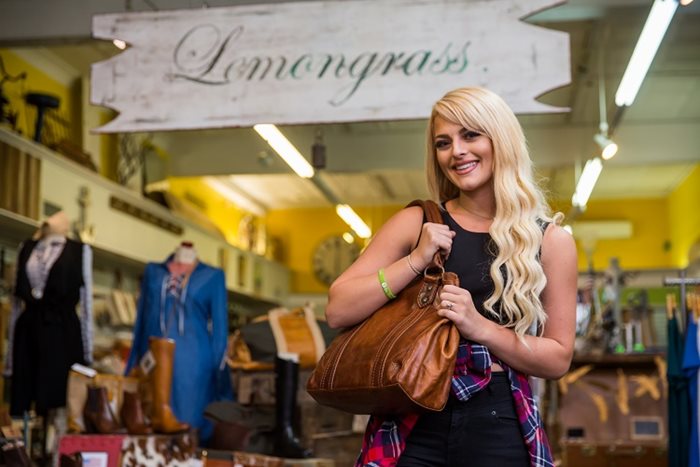
One of the great pleasures of downtown Fernandina is that nothing here is a chain. Every storefront is independent — boutique clothing, antiques, art galleries, an olive oil tasting room, a year-round Christmas shop, candy stores, gift shops, and bookstores all mixed in between the restaurants. Free 2-hour street parking makes it easy to spend an afternoon.
After more than two decades of planning, downtown Fernandina's new $2.4 million waterfront park has arrived — anchoring the foot of Centre Street where it meets the Amelia River.
A reimagined gathering space with shaded pavilion, lawn for events and concerts, restrooms, and improved parking — finally giving downtown a true public riverfront.
A new children's play structure designed to honor Fernandina's heritage as the birthplace of modern shrimping and the home of Florida's first railroad.
The park ties downtown's historic streetscape directly to the working marina and the Amelia River — completing a long-awaited public connection from Centre Street to the water.
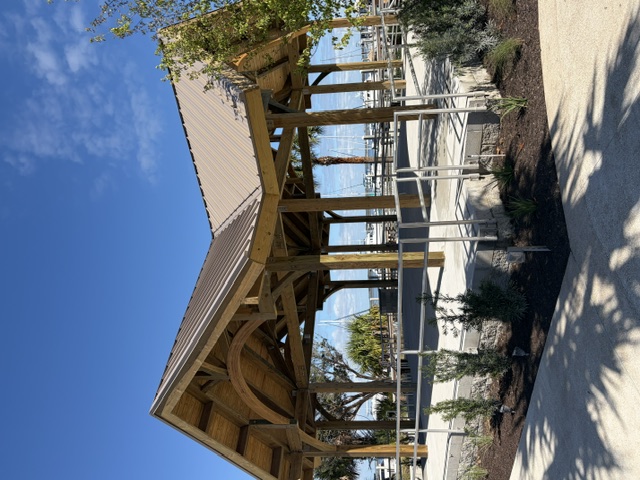
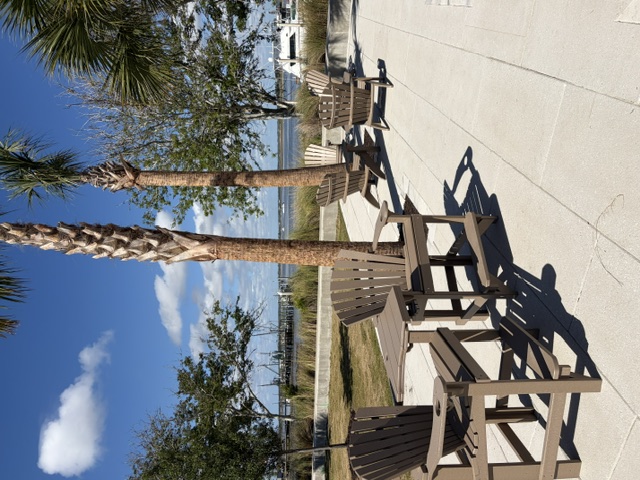
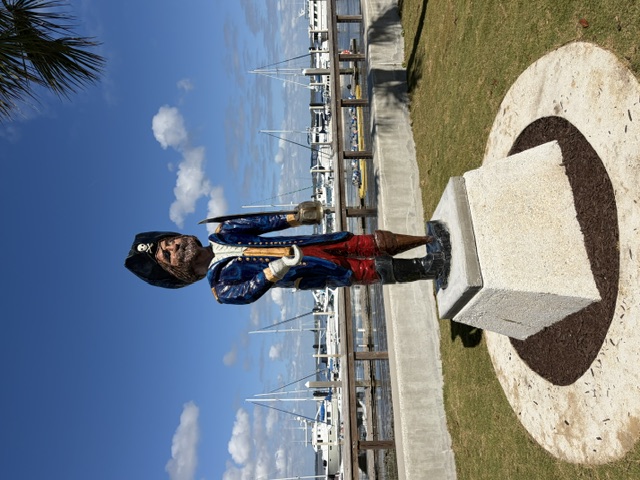
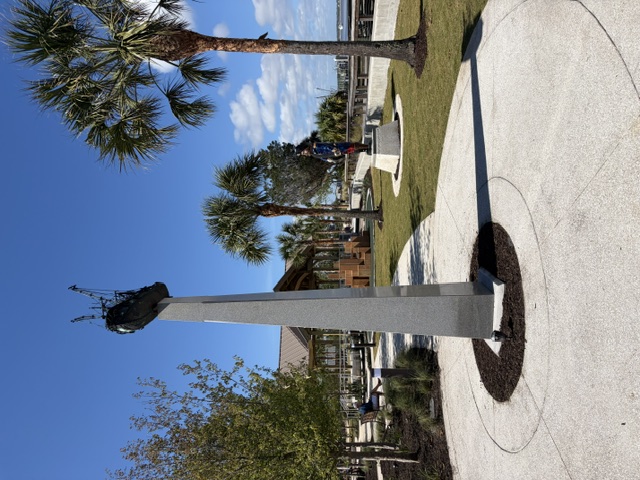
Photos taken by Roger Martin · June 2026
Sitting at the foot of Centre Street where the Amelia River meets the Intracoastal Waterway, Fernandina Harbor Marina is the working heart of downtown — and one of Northeast Florida's most accommodating harbors for transient and resident boaters.
Recently rebuilt with concrete floating docks and 4,000 linear feet of side-tie dockage, the marina hosts slips and moorings for daily, weekly, and monthly stays — with a 25-foot depth that accommodates serious cruising boats. On-site amenities include fuel docks, bait and tackle, a captain's lounge, and waterfront dining steps away.
Long before the marina was modernized, this was the working hub of Florida's shrimping industry — Fernandina is officially recognized as the birthplace of modern American shrimping. That heritage is still visible from the docks.
Of concrete floating side-tie dockage, plus 10 mooring balls for visiting cruisers.
Direct gateway to the Atlantic via the St. Marys Inlet — and the Intracoastal in either direction.
Recognized as the birthplace of modern American shrimping — a working fishing legacy still alive today.
Between 1870 and 1910 — Fernandina's Golden Age — wealthy industrialists, shipping magnates, and merchants built some of the most ornate Victorian homes in the South. Wraparound porches, turrets, gingerbread trim, and multi-colored facades give every block its own character — and many of these homes are still privately owned residences today.
One of the oldest homes in Fernandina Beach, built by a wealthy Boston banker. Renowned for the gingerbread detail on its veranda, designed by famed New York architect Robert Sands Schuyler — by agreement, the design was never duplicated. A Florida Heritage Landmark Site.
The oldest continuously operating hotel in the state of Florida. Built during the railroad boom, it has hosted statesmen, Carnegie family members, and travelers for more than 165 years.
An Italianate showpiece built for George Rainsford Fairbanks — complete with a distinctive tower, oriole window, balustrade porches, and dormers. Famously known locally as "Fairbanks Folly" after the surprise gift to his wife reportedly didn't land as planned. Now a beloved bed-and-breakfast.
A one-of-a-kind 19th-century home constructed entirely of tabby — a coastal building material made from oyster shells and Portland cement. Designed by Robert Sands Schuyler. The only home of its kind that remains on the island.
Looking for a historic home of your own? Many of downtown Fernandina's Victorian-era homes change hands quietly. As a local Broker Associate, Roger can help you find the right one — get in touch.
From oceanfront condos minutes from Centre Street to Victorian-era historic homes downtown — let me show you what's available today on Amelia Island.
View Current Listings Call Roger